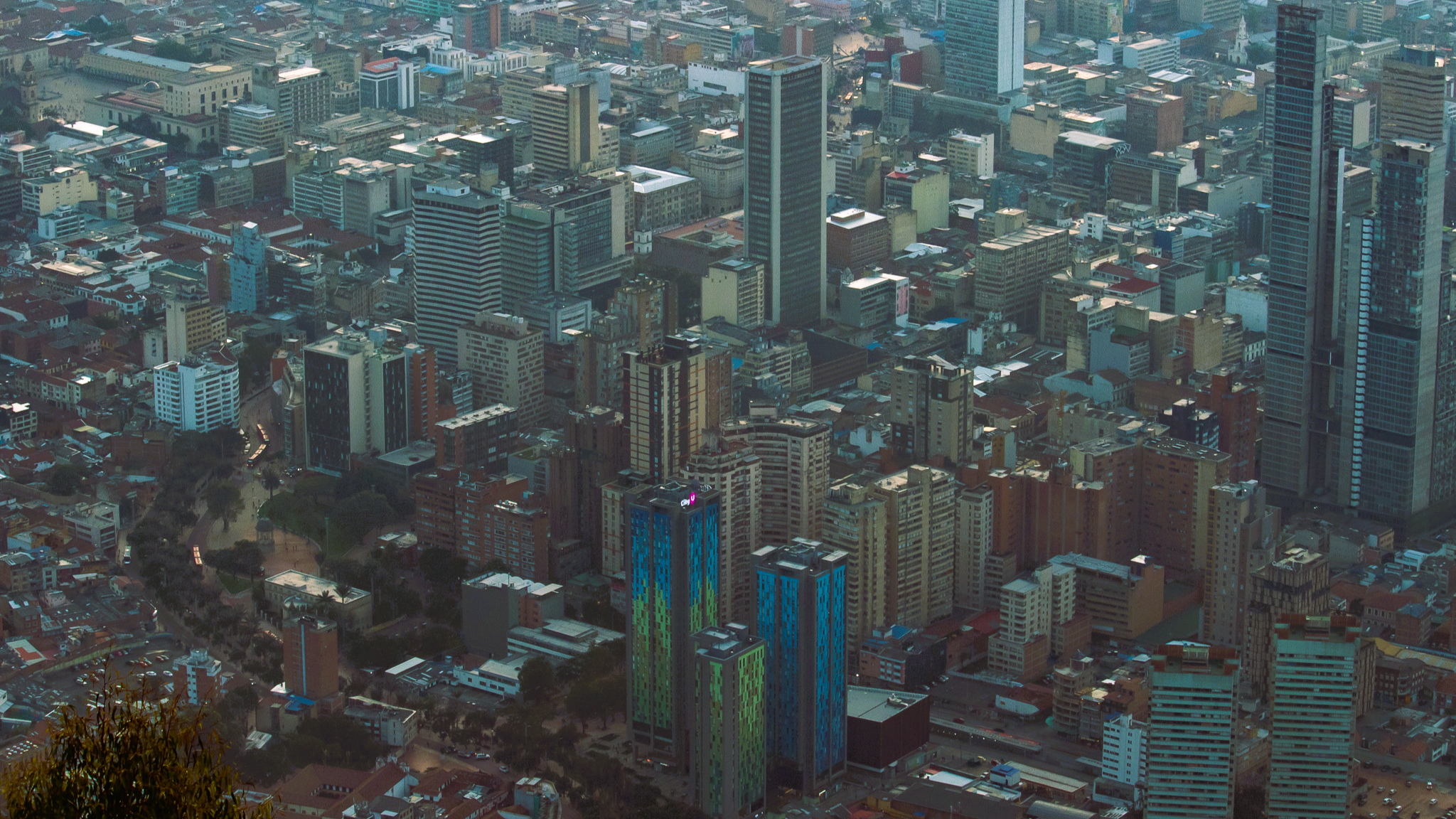
Colombia, the Pacific Alliance, and the PIDF Climate Dialogue
Colombia ranks among the four founding members of the Pacific Alliance, the Latin American trade bloc built in 2012 with Chile, Mexico, and Perú to project the partner economies outwards towards the Asia-Pacific. From Bogotá, the foreign ministry channels its Pacific diplomacy into the Pacific Islands Development Forum, the PIDF, whose secretariat convenes the membership in Suva around South-South cooperation. Colombian delegations attend the high-level talks there on sustainable development and the blue economy. Alongside this multilateral track, the Alliance supplies a second platform for the identical purpose. Huri Translations prepares the resulting Pacific Alliance trade files together with the bilateral cooperation memoranda drafted for the Bogotá ministry and its island counterparts.
Colombia and the Pacific atoll states share one climate exposure profile. The El Niño-Southern Oscillation cycle drives prolonged droughts and floods across Colombian farmland through the very ocean-temperature swings threatening the coral fisheries of Tuvalu and Kiribati. Because that exposure is common, Bogotá turns to the PIDF and the wider United Nations climate machinery to coordinate its Nationally Determined Contributions under the Paris Agreement with the small island developing states. This shared position presses international climate finance to flow to the most exposed economies on flexible terms. Huri Translations produces the Tuvaluan and Fijian PIDF submissions and the Spanish-English climate-finance papers exchanged between Bogotá and Funafuti.
Bogotá as the Source-Side Hub of Pacific Drug Enforcement Cooperation
Bogotá lies at the source end of the cocaine supply chain running across the Pacific Ocean to the high-retail markets of Australia and Aotearoa, with the Pacific Islands strung between them. The Australian Federal Police station officers in the capital beside Colombian National Police narcotics teams, joining the laboratory raids and the maritime interceptions timed to departures from the Pacific ports. Together, Australia and Aotearoa fund an investigations team in Colombia focused on the cartel logistics feeding cocaine into the trans-Pacific pipeline towards Fiji and the wider transit network. Across this effort, Huri Translations handles the joint targeting packages and the lawful interception transcripts, with the cross-jurisdictional charging files sent onward to the Australian and Aotearoa investigators.
Colombian financial intelligence flows through the UIAF, the Unidad de Información y Análisis Financiero housed at the Ministry of Finance. As an Egmont Group member, the unit exchanges suspicious-transaction reports with its Marshall Islands and Fiji counterparts and with AUSTRAC in Australia, supplying the wider Pacific Egmont membership. In parallel, the UNODC country office in Bogotá delivers capacity-building on organised crime, bringing Colombian analytical expertise into the Pacific Transnational Crime Network and its member units across the region. Huri Translations translates the UIAF Egmont Secure Web messages and the UNODC programme reports, adding the counter-intelligence briefings shared between Bogotá and the Australian and Aotearoa security services. Huri Translations pairs its Bogotá service with the Suva office for the PIDF Secretariat traffic and the Fiji Police coordination, and with Auckland for the destination-market case files at the retail end in Aotearoa.
Pacific Climate and Enforcement Linguistic Matrix for Bogotá Hub

Huri Translations
Tel. +689 89 205 483
[email protected]
PO BOX 365 Maharepa
98728 Mo'orea
French Polynesia
N°TAHITI 876649


Social