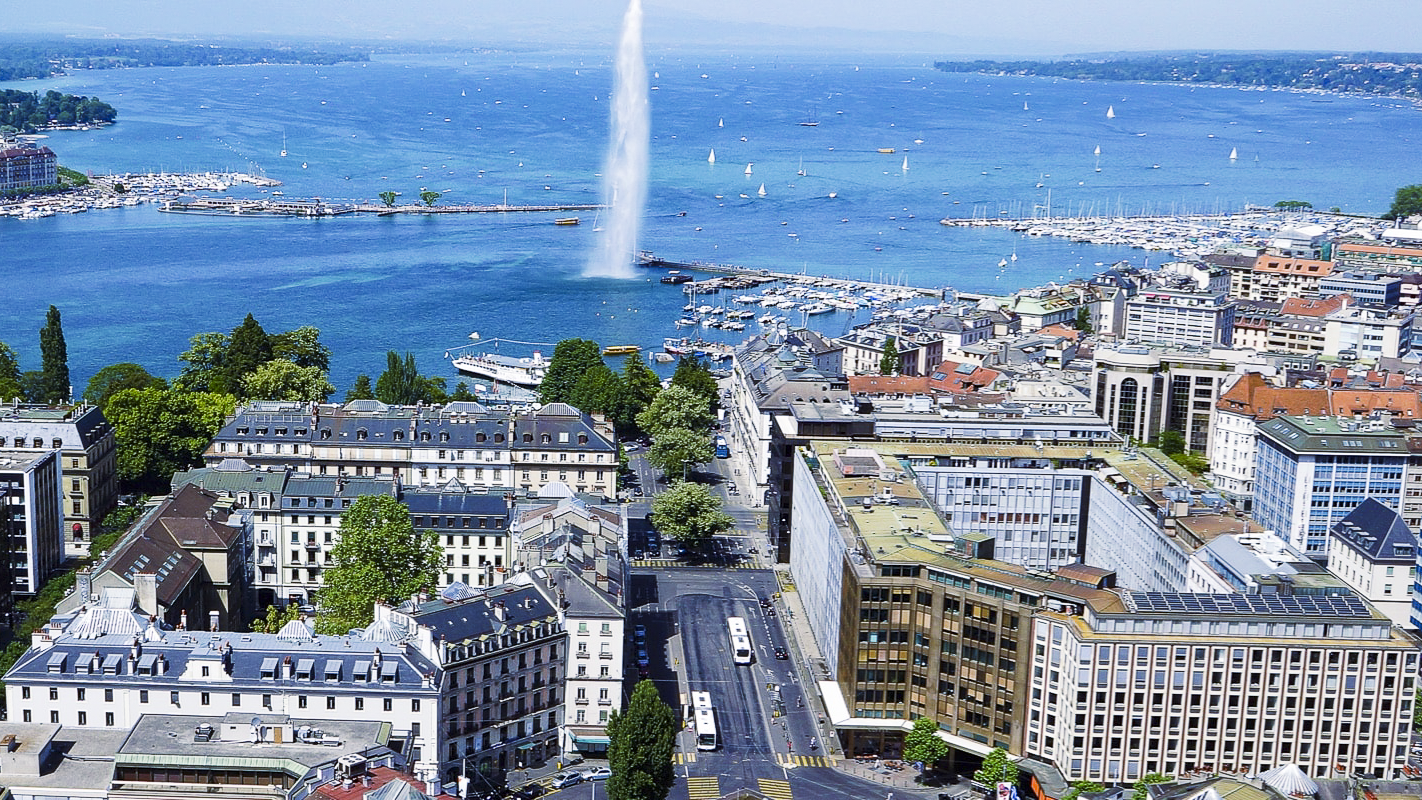
The Palais des Nations and the Pacific Petitions
The League of Nations took the Palais Wilson on the lakeshore as its original home in 1920. From that year the trust territories of the Pacific fell under its supervision. Western Sāmoa answered to New Zealand, and the phosphate island of Nauru to Australia on the British Empire’s behalf. A further grant placed the Territory of New Guinea, whose plantation pidgin later grew into Tok Pisin, under administration from Canberra.
Petitions from the region came to Geneva through the interwar years, among them the appeal of the Samoan Mau and later claims from Nauru, whose people speak Nauruan. The League’s Permanent Commission reviewed the yearly reports of the administering powers and heard the grievances filed against them. After the League closed in 1946, its papers stayed in the city. The United Nations Office there conserves the League holdings, a collection inscribed by UNESCO and digitised page by page between 2017 and 2022. For a Pacific government tracing the roots of its case for self-rule, that founding archive still rests at the Palais des Nations: League of Nations Archives.
The Petition of Taʻisi O.F. Nelson
Born on Savaiʻi in 1883 to a Swedish trader and a Samoan mother of the Sā Tupua line, Taʻisi Olaf Frederick Nelson grew into one of the wealthiest merchants of Western Sāmoa. He spoke Samoan alongside German and English. At the head of the territory’s largest trading house was his family, a commercial enterprise funding much of the resistance to come. He founded the Samoa Guardian to put the island’s case in print. When New Zealand’s administration answered the Mau with deportation, Nelson was exiled to Auckland in 1928. From there he made his way to Geneva to argue the cause of Samoan self-determination.
Swayed by a New Zealand delegation naming him an agitator, the Permanent Commission denied the Samoan a hearing. His petition bore eight thousand signatures even so. Kept in the League archives, it ranks as the first Samoan appeal to a world court of opinion. In 1962 Sāmoa won independence, the first Pacific state to do so. The matai title Taʻisi descends still through his heirs. In the deeds and genealogies still bearing that Samoan name, our heritage service supplies the translation. The fuller life is set down in the national biography: Dictionary of New Zealand Biography.
Trade Files at the World Trade Organisation
The World Trade Organisation keeps its seat in Geneva. To speak for its members on trade, the Pacific Islands Forum holds a standing office in the city. Fisheries access and tariff treatment for tuna fill much of the agenda these missions bring to the negotiating rooms. Behind the commercial agenda lies a current of written submissions and schedules of commitment, all of them shaping how a ruling is worded once it is handed down. We prepare the Marshallese and Tuvaluan versions of these texts for the governments tabling them.
A ruling turns on a term of art. In a schedule, one wrong word can narrow a right meant to stay wide. Our translators command the specialist idiom of commercial law and set it into the vernaculars without loss of that force. Because the sessions fall across the European day, the whole service comes to these missions online, from the first draft of an accession paper to the final reply lodged with the secretariat.
The Human Rights Council and the Chemical Conventions
At the Human Rights Council, the small states of the region press two claims of long standing: the displacement of atoll communities by a rising sea, and the compensation still owed for nuclear testing in the Marshall Islands. Fiji has led from the front of that chamber, its diplomats having taken the Council’s presidency and spoken more than once for the wider Pacific. A statement to the Council answers a strict procedural form. Inside that form, its Fijian draft must keep the government’s meaning intact. When the subject turns to a community uprooted from its own shore, we produce the papers of planned relocation in the language of the community itself.
Geneva also houses the secretariats of the treaties on hazardous chemicals and waste, a body of law guarding the region’s reefs and fishing grounds against poisons shipped from far away. Binding once ratified, these answer to the courts of the countries adopting them. We fold the regulatory detail into our reference on legal documentation and translate the ratified text itself, letting a parliament in Tarawa weigh a clause in Taetae ni Kiribati instead of a working language of the Palais. What a delegate files at home is then the operative text debated in Geneva, matched clause by clause with the original.
Weather Data for the Atolls
The World Meteorological Organisation keeps its headquarters in Geneva. From that base a new fund attacks a gap leaving the Pacific exposed. Fewer than one in ten of the world’s basic weather measurements comes from small island states, a shortfall blunting the forecasts made over their waters. The Systematic Observations Financing Facility, built by the meteorological body with two United Nations partners, puts long-term money and expertise into the observing stations of the countries least able to pay, a facility forming one delivery arm of the drive to bring early warnings to all inhabited coasts.
Money for a weather station buys instruments. Packed alongside them come manuals and maintenance logs written in the language of the maker. On a remote reef an I-Kiribati technician must keep that gear alive. For that task the instructions matter as much as the hardware. To bridge that gap, we localise the weather and oceanographic material shipped with these systems, from the calibration sheet to the observer’s field guide. Fuller detail of the fund is set out by its host institution: World Meteorological Organisation.
Pacific Diplomatic Linguistic Matrix for Geneva Hub

Huri Translations
Tel. +689 89 205 483
[email protected]
PO BOX 365 Maharepa
98728 Mo'orea
French Polynesia
N°TAHITI 876649


Social