Antonio Pigafetta and the Earliest Pacific Word-Lists
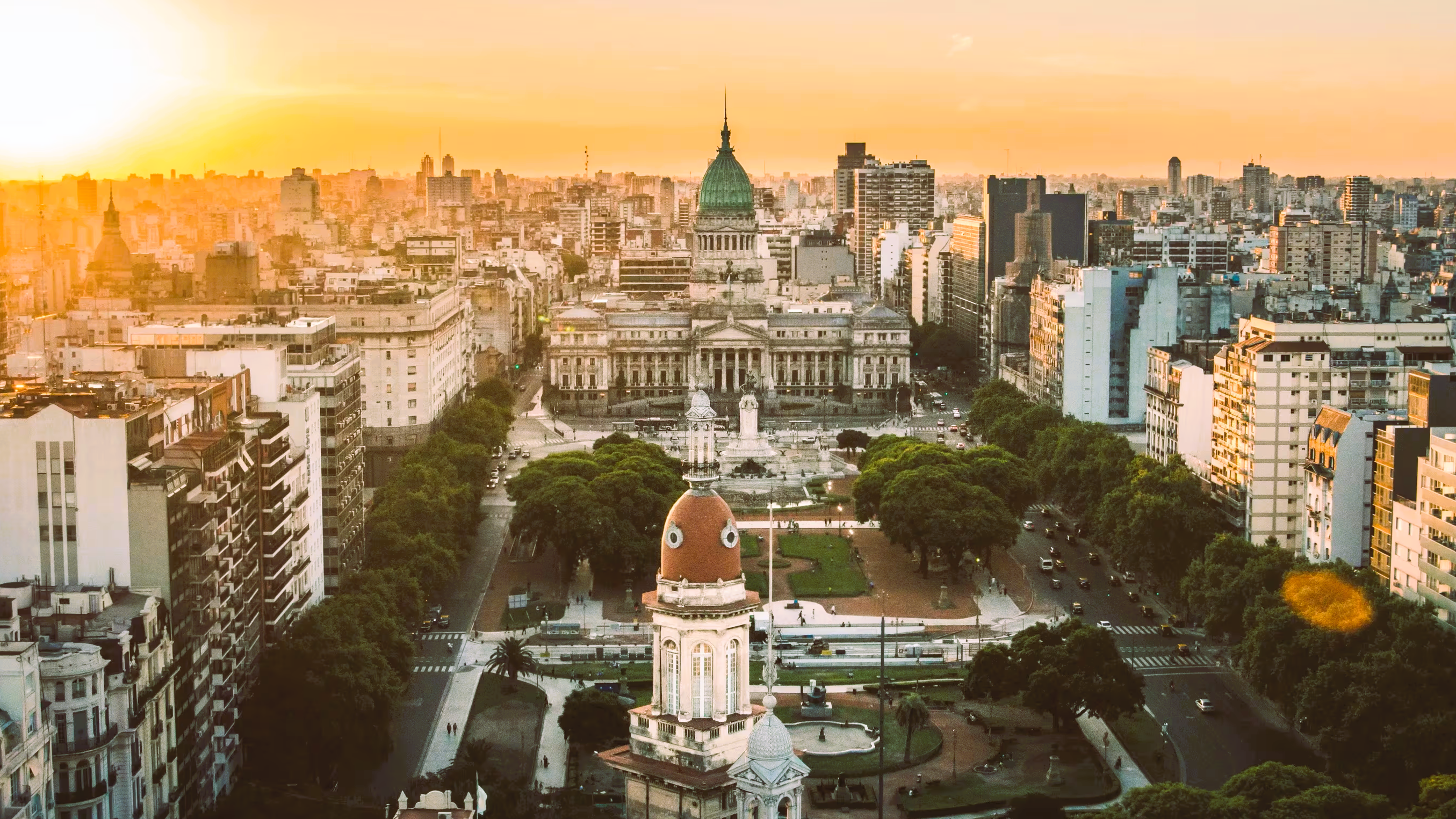
Sailing the Río de la Plata estuary in 1520 with the first circumnavigation, Antonio Pigafetta mapped the waters fronting Buenos Aires and left the earliest European chronicle of the peoples encountered from Patagonia to the island Pacific. His relación, the primary surviving report of the voyage, set down the oldest written vocabularies of several of those tongues, the documentation from which our Spanish records and heritage lexicography descend. Under the Castilian crown, that survey of coasts and straits laid the ground beneath our hydrographic charting.
Five centuries on, the estuary he mapped still bears the shipping of a Pacific-facing trade, while his vocabularies survive as the founding instance of Pacific language documentation in the European archive. That lineage sets our task in Buenos Aires: the scholarly editing of first-contact word-lists for academic publication, and their preparation for print in bilingual editions. The standard biography gives his fuller life.
The Retiro Quarter and the Machinery of Pacific Diplomacy
North of the old town core, the Retiro district gathers the foreign missions and trade-promotion offices through which Argentina conducts its Pacific diplomacy. The ceremonial seat of the foreign ministry rises among its plazas. Within a few streets, the embassies of the Forum’s partner nations keep their chanceries. The consular sections handling Pacific labour-mobility paperwork lie close behind them.
Because the diplomatic calendar governs the district, its principal translation need arises from the public-sector operations of an application to the Forum, from position papers to the memoranda of bilateral cooperation. Alongside them, the promotion bureaux lodge their international-trade filings, pitching Argentine goods into the Pacific Rim markets. A fuller description of the neighbourhood appears in the encyclopaedic entry.
Puerto de Buenos Aires, the Atlantic Mouth of a Pacific Trade
There lies, along the western bank of the river, the deepwater terminals of Puerto Nuevo and the southern docks, the maritime front of Buenos Aires. From its container berths, Argentine beef and soybeans begin the long haul toward the Pacific Rim, discharged for the lesser markets at the Auckland and Sydney trans-shipment quays.
As a ship berths at the wharf, the paper trail begins: the bills of lading and the phytosanitary certificates required of a grain cargo bound for a Pacific port. From Buenos Aires we handle the maritime-operations documents of the discharge end, together with the regional-cooperation protocols harmonising the border formalities across the smaller authorities. The port’s profile details the terminal layout.
CONAE and the Ocean Imagery Feeding the Pacific States
Headquartered on the Avenida Paseo Colón, Argentina’s national space commission builds and flies the earth-observation satellites of the SAOCOM and SABIA-Mar programmes. The SABIA-Mar mission images ocean colour and sea-surface temperature across the South Atlantic and the open sea, a major instrument for the marine science on which the Pacific nations draw for their own waters.
For the island governments, that imagery matters as usable telemetry, its captions and calibration reports turned into the everyday language of a Suva or Nukuʻalofa ministry. Dense and technical, the incoming Spanish of the earth-observation files is keyed to the ocean-science and research glossaries of the receiving states. Storm-season bulletins and reef-survey data go to the territorial weather offices in translation. The commission’s own portal lists the two missions.
From the Forum Bid to the Trusted-Trader Transfer
Argentina has signalled its bid for Dialogue Partner status at the Pacific Islands Forum, the peak political body of Oceania, following Chile as the second South American state to seek a place at that table. Beside the bid lies an exploration of accession to the Comprehensive and Progressive Agreement for Trans-Pacific Partnership, whose Aotearoa market brings Argentine labels up against Māori-language requirements.
What the Pacific customs services want from Argentina is a template. The Mercosur trusted-trader programme supplies one. Behind the Oceania Customs Organisation and its Pacific Trusted Trader Network, that mutual-recognition history feeds the regulatory-compliance drafting of a unified border scheme built jointly by the island services. Our part stays narrow: the Spanish-to-English customs translation required by the pilot countries at Suva and Lae.
Alongside the diplomatic track, a plainer commercial pipeline brings Argentine wine and dairy onto the regional shelves. It threads the Pacific-Rim redistribution hubs, Sydney chief among them, and the smaller retailers fed from them. At the warehouse end in Suva and Lae, the importer briefings go into Fijian and Tok Pisin for the retail floor.
Ezeiza and the Perishable Air-Freight to the Pacific Rim
West of the city centre, Ministro Pistarini International Airport at Ezeiza handles the long-haul flights linking Argentina to the Asia-Pacific hubs, while the domestic Aeroparque holds the shorter regional legs. Its freight terminal loads chilled beef and cut flowers for the premium tables of Auckland and Sydney, perishables riding the belly-hold of the daily flights.
Because a perishable consignment lives or dies by its paperwork, the air waybills and the dangerous-goods declarations need fast, faultless handling as the aircraft doors shut. For entry to a Pacific port, that shipment’s biosecurity clearance goes into the destination language too. The airport’s public page sets out the freight facilities.
Pacific Forum and CPTPP Linguistic Matrix for Buenos Aires Hub

Huri Translations
Tel. +689 89 205 483
[email protected]
PO BOX 365 Maharepa
98728 Mo'orea
French Polynesia
N°TAHITI 876649


Social