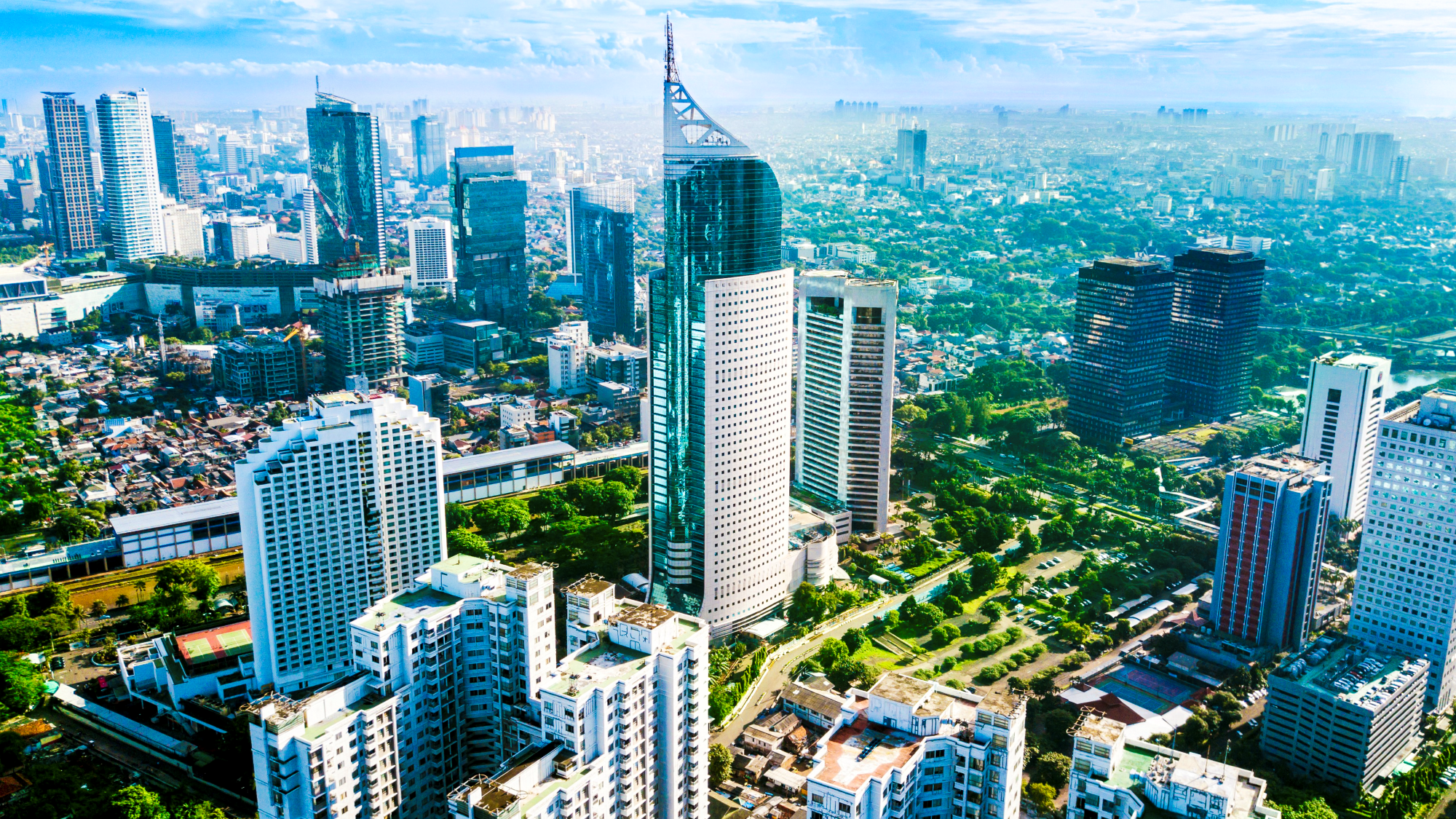
Melanesian Spearhead Diplomacy in the Capital
The secretariat of the Melanesian Spearhead Group is in Port Vila. That body remains Jakarta’s principal channel into Pacific politics. Delegations have flown to the Indonesian capital for formal engagement on Papua. Out of those missions come joint statements and roadmaps in more than one official language. Huri Translations supplies the Tok Pisin text and its Bislama counterpart, matched clause by clause against the Indonesian.
Because Papua and West Papua hold several hundred Papuan and Austronesian languages between them, no Indonesian circular arrives ready for use. Choosing the receiving creole comes first. For civil society reporting and international monitoring output, the answer is usually Tok Pisin, the one creole current on either flank of the border. Indigenous rights instruments cross in it daily.
Sessions of the group proceed in English alongside the creoles of its founding members. While preparing for a plenary, an Indonesian delegation must have the wording in hand. We draft the position paper going in and the summary coming out. Terminology agreed in one round binds the next.
Sea Boundaries with the Pacific Neighbours
At sea Indonesia adjoins Papua New Guinea and Palau, with a third limit facing the Federated States of Micronesia. Neither boundary protocols nor access rights stay fixed for long. The state fisheries regulator sends the neighbouring fleets technical rules in Indonesian. Licence conditions then fall to our fisheries management translators.
In the wheelhouse a skipper consults the Palauan and Marshallese texts. Our editors build those from inspection notices and vessel logs. Mesh sizes and species names survive as figures and Latin. Only the surrounding prose changes.
Catch from the western Pacific arrives at Indonesian wharves for processing. However, a cannery buying from four separate fleets multiplies its paperwork faster than its tonnage, which leaves the licensing authority with two accounts of one consignment. It falls to us to keep the pair matched, line for line, to the authority’s own layout.
Lapangan Banteng and a Displaced Colonial Name
Under Dutch rule the square in Sawah Besar was a parade ground called Waterlooplein. Its Indonesian name goes further back, to Buffelsveld, the buffalo field. At the centre rises the West Irian Liberation Monument, completed in 1963 to a design by Friedrich Silaban and Henk Ngantung, the figure cut by the sculptor Edhi Sunarso. Bronze chains break at its wrists.
Behind the monument lies the handover of Western New Guinea to Indonesian control. Papuan opinion still divides over it. A colonial name struck from the map survives in the record under either form. Which spelling governs a heritage listing is a question for the archivist. Institutions handling decolonisation and self-determination send us those listings and the place-name entries.
Johannes Abraham Dimara at Kalibata
Born Arabei Dimara at Korem in North Biak in 1916, he used Malay, the lingua franca of the northern Papuan coast, alongside his own Biak. He fought with the Indonesian Army through the West New Guinea campaign, an involvement honoured in Indonesia and disputed by Papuan independence advocates. On 17 August 1962 he faced the crowd at Lapangan Banteng wearing chains, cut away in public as the signal of Indonesia’s claim. His National Hero title rests on a presidential decree, an instrument grouped under legislative material.
He died in the city in 2000. What survives him here is a grave at Kalibata, in ground reserved by statute for National Heroes. A Biak birthplace and a Kalibata plot mark either end of one argument over self-governance and autonomy. Honours rolls and war-grave documents make up the bulk of our heritage translation for Papuan families, decorations and titles unchanged. Fuller record: the biographical entry on Dimara.
Tanjung Priok and the Eastern Shipping Lanes
More than half of Indonesia’s trade transits the Port of Tanjung Priok in North Jakarta, spread across twenty terminals. Cargo for the eastern islands and the Melanesian berths past the Banda Sea gathers here ahead of departure. The manifests, typed in Indonesian and heavily abbreviated, open at Lae in English. We take on the port state control files attaching to those calls.
Feeder vessels out of the harbour are supplying the outer provinces and pushing on into Melanesian waters. Bills of lading and dangerous-goods declarations follow the cargo through two or three jurisdictions. Our maritime team keeps the consignment description identical along the whole chain.
Seafarers on these lanes come from across the archipelago and from Melanesia itself. Their contracts and grievance procedures exist in a language many of them never studied. For the crew to use them, our crew welfare translators put the papers into Tok Pisin and Bislama. Vessels on the rotation also call at Singapore and Manila, the two other Southeast Asian nodes in our network.
Ocean and Satellite Research from the Habibie Building
BRIN, which absorbed the science institute and the aeronautics and space body, directs the country’s public science at cabinet rank. Its seat is the B.J. Habibie Building in Central Jakarta. A survey fleet and a satellite programme came with the merger. Earth observation from that programme spans Papua and the seas around it. The fleet ranges east to the Arafura shelf.
Data-sharing arrangements with island institutes rest on Indonesian-language documents. Those institutes do get the survey reports and the marine research summaries, but in English alone. We prepare the Tok Pisin and Palauan versions and leave species names and coordinates untouched. In Ngerulmud the Palauan wording is the one cited.
Satellite imagery of cyclone tracks and coastal flooding goes out to meteorological offices across the region. A bulletin built on it can help only a community able to use its own speech. Village radio delivers our early warning translation phrase by phrase. We condense nothing.
Melanesian Linguistic Matrix for Jakarta Hub

Huri Translations
Tel. +689 89 205 483
[email protected]
PO BOX 365 Maharepa
98728 Mo'orea
French Polynesia
N°TAHITI 876649


Social