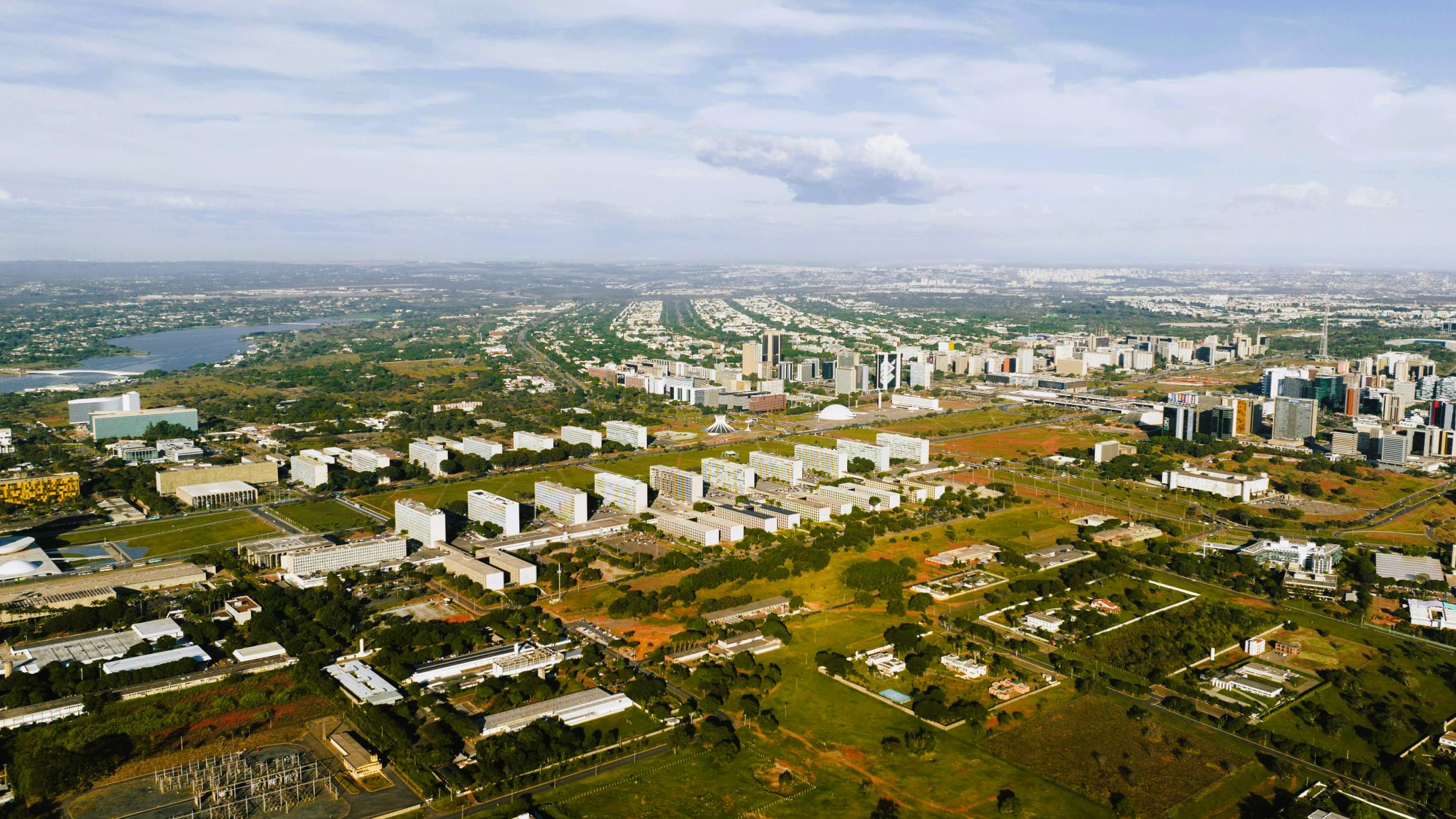
The Itamaraty Palace as the Seat of Brazilian Pacific Policy
Designed by Oscar Niemeyer for the Monumental Axis of Brasília, the Palácio do Itamaraty houses the Brazilian Ministry of Foreign Affairs and the treaty archive it administers. The building belongs to the modernist ensemble inscribed on the UNESCO World Heritage List in 1987, a distinction rare among functioning capitals. From this address the Brazilian foreign service directs its engagement with Oceania. The bilateral cooperation memoranda between Brasília and the Pacific Island capitals originate as Portuguese instruments in need of an English or Fijian counterpart. Huri Translations prepares the Pacific-facing agreements in their target versions.
It is the Itamaraty archive that receives the accession notes and joint communiqués marking new Pacific relations. Those documents enter a permanent diplomatic record. Because the archive outlives the officials who fill it, the translation standard applied to it must be permanent as well. Huri Translations supplies the certified Portuguese-to-English versions logged alongside the originals, together with the Spanish variants the Latin American missions request.
One further institution occupies the diplomatic quarter: the Rio Branco Institute, the academy training the diplomats posted to Brazil's Pacific missions. Within its curriculum lie the drafting conventions applied to treaty language. They set the terms for any translator handling the record. To match them, Huri Translations builds its Portuguese-to-English treaty glossaries on the academy's teaching.
Brazil Within the Pacific Multilateral Conversation
While Brazil keeps observer distance from the Pacific Islands Forum, its position papers on climate finance and the blue economy circulate to the membership through the Secretariat in Suva. The Brazilian planning ministries receive parallel analysis from the Economic Commission for Latin America and the Caribbean, the body known as CEPAL in Portuguese, through its country office in the capital. Handling the Forum Secretariat traffic directly, our Suva node remains the direct channel for that correspondence. Huri Translations prepares the Fijian summaries of the Brazilian submissions for delegations without English as a first language.
There is a second stream of documents behind the multilateral papers: the analytical output produced by CEPAL on trans-Pacific economic flows for the ministries in Brasília. Drafted first in Spanish and Portuguese, that output finds its Pacific audience only after an English or island-language version exists. Huri Translations supplies the Spanish analytics in the versions approved by the Forum committees, keeping the Brazilian figures legible to the island economists.
Trusted-Trader Recognition Between Brazil and Oceania
Its mutual-recognition arrangements extending to the Mercosur and Pacific Alliance partners, the Receita Federal ranks among the older Authorized Economic Operator programs in the Americas. Alongside the Argentine and Chilean administrations, its officials form a Latin American faculty at the Oceania Customs Organisation workshops. The Pacific Island offices building the Trusted Trader pilots inherit a documentation model first written in Portuguese and Spanish.
Translating that model into the languages used by the island customs administrations is the practical task behind the pipeline. The compliance instruments cross from Portuguese and Spanish into English. Under all jurisdictions granting recognition, the audit criteria must appear identically. Huri Translations prepares the customs-reform documentation circulated by the Suva secretariat, keeping the Receita Federal terminology consistent across the transfer.
Vale and the Papua New Guinea Extractive Overlap
A principal iron-ore and nickel exporter, Vale ships from the Atlantic ports of Espírito Santo and Rio de Janeiro. The global mineral supply lines linking the Andean copper belt with the Melanesian gold fields put Brazilian extractive practice into contact with Papua New Guinea. The conglomerates listed on the Toronto and São Paulo exchanges keep interests across the Brazilian and Papua New Guinean fields. As the consultation tables in Melanesia convene, their sustainability reports cross from Portuguese into English and Tok Pisin.
At the village level the documents change character, from corporate disclosure into plain-language material for a landowner group to assess. The heavy-machinery handbooks and the environmental-impact assessments face their hardest test at this level. Because the Melanesian audience speaks Tok Pisin, an English-only version leaves the community without a usable text. Our Port Moresby node manages this Melanesian end of the overlap. Huri Translations prepares the community-consultation materials delivering the Brazilian findings to the landowner tables.
The responsible-sourcing dialogues convened by the OECD bring the Brazilian and Papua New Guinean delegations to one table on mineral due diligence. Position statements drafted in Portuguese and Spanish enter that forum. From an English or Tok Pisin base, the Melanesian participants respond. Huri Translations prepares the due-diligence submissions reconciling the Brazilian and Melanesian positions on the record.
Brazilian Agricultural Goods on the Pacific Shipping Lanes
Brazilian soybeans and beef enter the Pacific market through the logistics hubs of Auckland and Brisbane, from which regional distributors supply the smaller island economies. Organized from Brasília, the trade-promotion missions target the importer networks of the Pacific Rim, addressing buyers in the languages of purchase. Huri Translations prepares the Fijian primers introducing Brazilian product to the island retail buyers.
Behind the consumer goods lies the plant-health paperwork, the phytosanitary certificate governing entry at an island port. The Brazilian ones issue through the electronic ePhyto system. Through the IPPC generic platform, a shared web service used in place of a national build, the smaller Pacific states receive them. Huri Translations prepares the export documentation in the versions accepted by the island plant-protection services, keeping the Portuguese certificate language consistent with the English of the receiving port.
Pacific Forum and Resource Linguistic Matrix for Brasília Hub

Huri Translations
Tel. +689 89 205 483
[email protected]
PO BOX 365 Maharepa
98728 Mo'orea
French Polynesia
N°TAHITI 876649


Social